Posted July 21, 2026

By Matt Badiali
Crude Lies
The war in Iran is back on, and the war in Ukraine escalated over the past week. That’s bad news for the global economy. Wars disrupt everything. They make investors sell stocks. And these wars, in particular, drive inflation. And that hits all of us in the wallet.
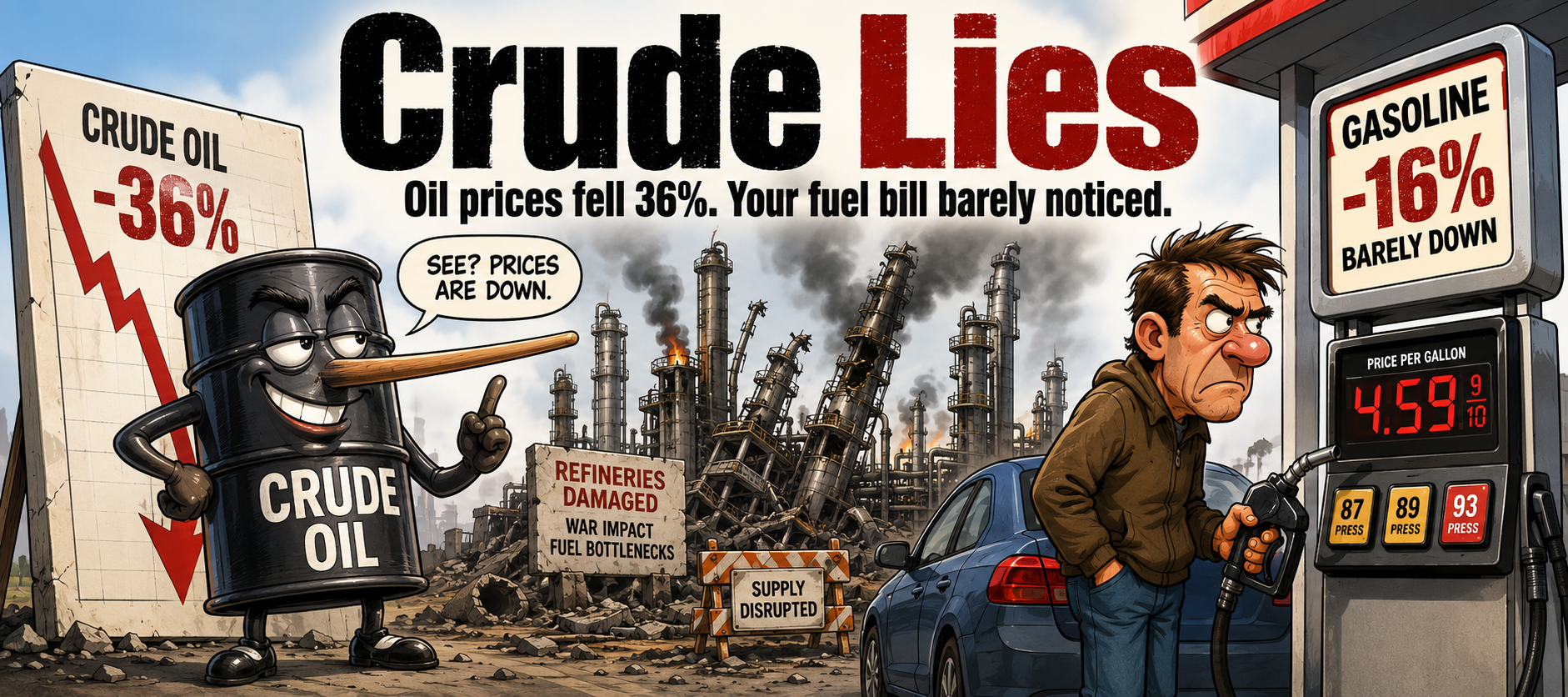
These wars drove up the price of oil. And rising oil prices make everything more expensive. Then, when the Iran ceasefire took effect, oil prices came back down. But refined product prices didn’t.
I’ll show you why inflation will continue to rise… and I’ll show you the commodity to own right now.
You see, these wars may be good news for electricity and commodities. Here’s what Goldman Sachs wrote in its recent update:
In particular, we think that the Iran conflict ultimately reinforces many of the themes supporting power and metals demand, more so than oil and gas. From a potential increased reliance on EVs, to further investment into renewable power generation, both of which require further grid investment, to potentially larger defense spending, and growing competition to win the AI race, these themes are highly supportive of power, copper, lithium and aluminum demand.
Higher oil prices destroy oil demand. I remember this well, from back in 2008. Folks stopped driving. They rolled all their errands into a single trip. They didn’t take long vacations. And they conserved. That clobbered demand and brought the oil price back down.
The Goldman analysts see that coming. And I agree. The wars right now are about to send oil prices back up…possibly to new all-time highs.
Two Interconnected Wars
There are three major fronts on the oil market today. Two are hot wars. The third is purely economic.
In Iran, the U.S. struck major oil infrastructure on Kharg Island. That’s Iran’s major oil export terminal. Up to this point, the U.S. targeted military targets. By leaving the oil infrastructure in place, it preserves Iran’s ability to sell oil. That cash flow meant that the country’s economy continued to operate.
But those strikes will reduce Iran’s ability to sell oil. We don’t know how much, yet. But that’s an important difference in the war.
At the same time, Ukraine developed a new capability. Its drones can now hit targets 1,500 miles into Russia. And their targets are refining and storage.
Ukraine’s drones hit so many refineries that Russia…the world’s third largest oil producer…must now ration fuel. It suspended diesel exports for the rest of July and began importing gasoline from India.
Giacamo Prandelli published a great analysis of these attacks in The Merchant’s News Substack.
As he points out, both wars followed the Allied war plan from World War II. It wasn’t big, set-piece battles that won the war. The Allies planned to target Germany’s fuel lines that did it. You can’t move a tank without diesel, and you can’t fly planes without jet fuel.
Modern economies are the same. You can cripple an economy by simply making fuel prohibitively expensive. And that’s what’s going on in both Iran and Ukraine.
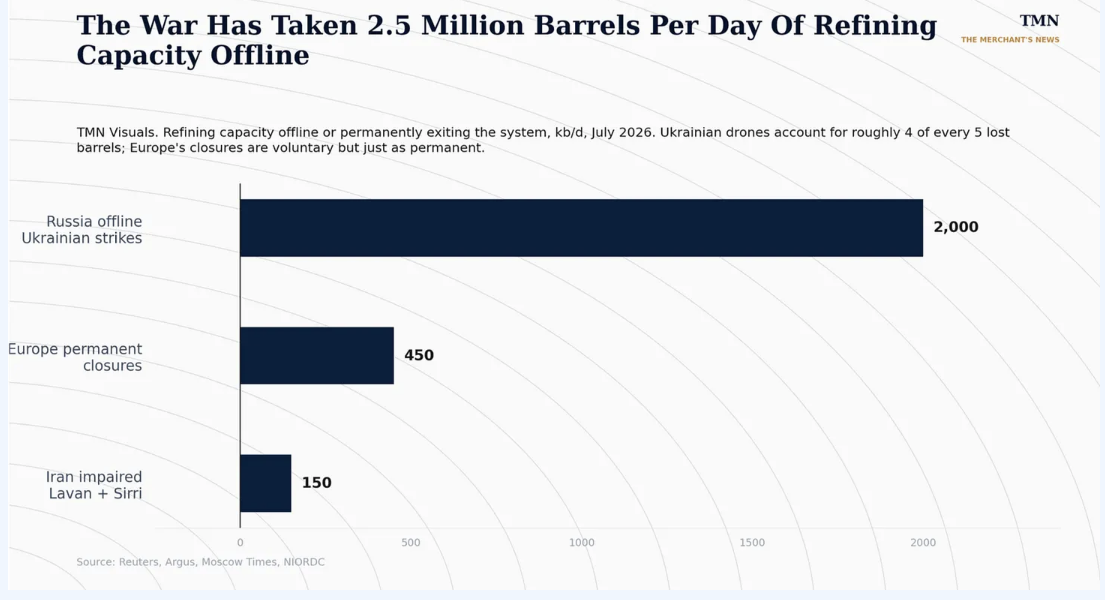
This is an astonishing volume of refinery production damage in Russia. The Ukrainians know what they are doing.
The Arabian Split
As I said, Iran and Ukraine are two of the three legs driving major disruptions in the global oil trade. The third war is economic. It’s the split between the United Arab Emirates (UAE) and Saudi Arabia.
The two countries compete for dominance in the region. And when the Iran war kicked off, the UAE sided with the U.S. and Israel. But Saudi Arabia stood closer to Iran. The tensions peaked when the UAE quit the Organization of Petroleum Exporting Countries (OPEC). That’s a huge rift.
According to Bloomberg, it caught Saudi Arabia completely off guard.
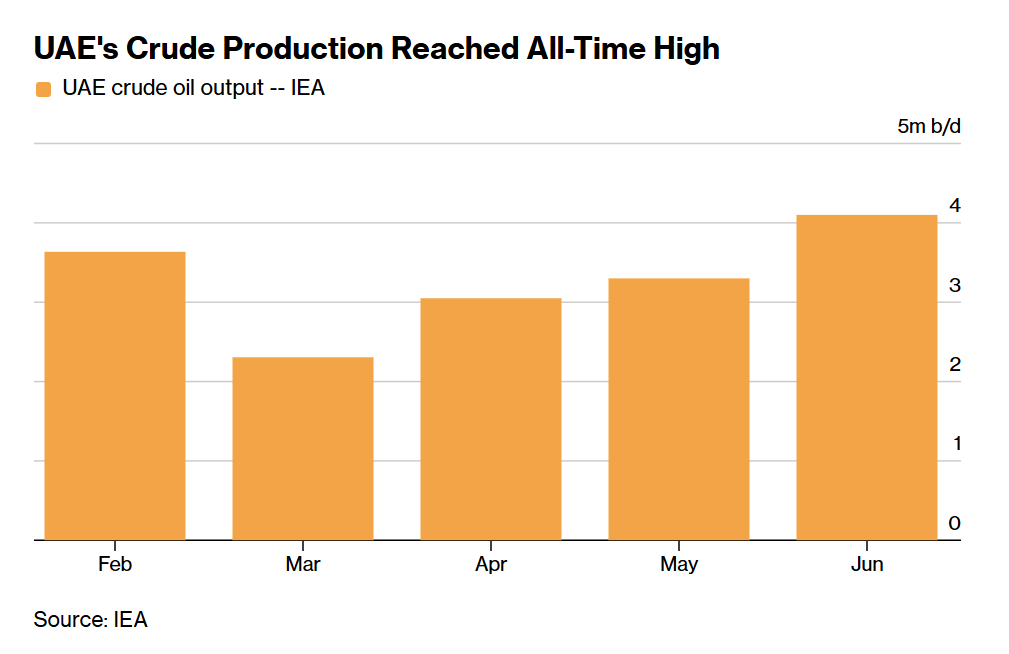
The positive (for the oil price) from this split is that the UAE ramped up its oil production to all-time highs:
These are the forces currently pushing on oil prices. We have crude oil supply, but there is a lack of refined fuels, particularly diesel. And that’s important, because you and I don’t buy crude oil. We buy refined products like gasoline, diesel (in every Amazon shipment), and jet fuel every time we fly.
The Oil-Gasoline Rift
The reduced number of refineries worldwide (thanks to the wars) kept the prices of those oil products high…even though oil prices fell. You can see what I mean in this chart of WTI Crude price versus the gasoline price:
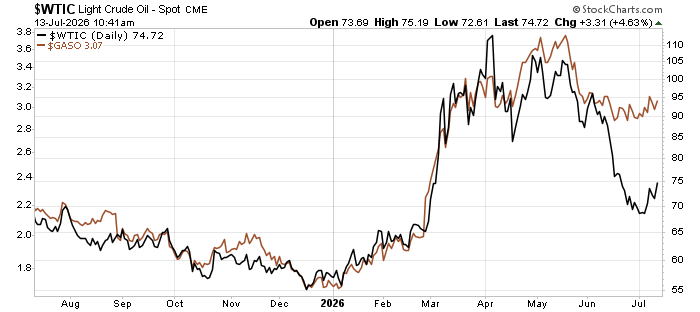
As you can see from the chart above, crude oil prices fell 36%. However, gasoline prices fell by only about 16%. Diesel prices (not shown) are down about 18% from their previous highs.
That’s an odd scenario. Crude oil supplies look okay (for now). The UAE is bumping up its production, and more oil is coming from the U.S. and Venezuela, keeping a lid on prices. But the destruction of refining capacity creates a premium for fuels…so the price of gas and diesel remains high.
And when it comes to inflation, we don’t really care about oil prices. We care about the stuff that we use from it. Fuels. And those prices aren’t coming down as fast. In fact, we may see much higher prices this year. Refiners’ shares are soaring, as you can see in this chart of the VanEck Oil Refiners ETF (NYSE: CRAK):
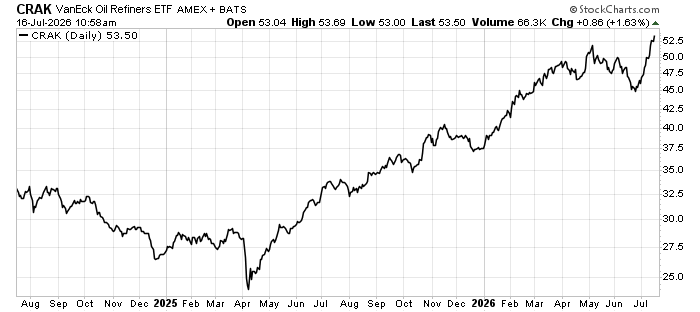
This is the highest price since the CRAK ETF began in 2015. In Europe, the price of a gallon of gasoline is $7.44 on average. That suddenly makes an electric vehicle look much more attractive.
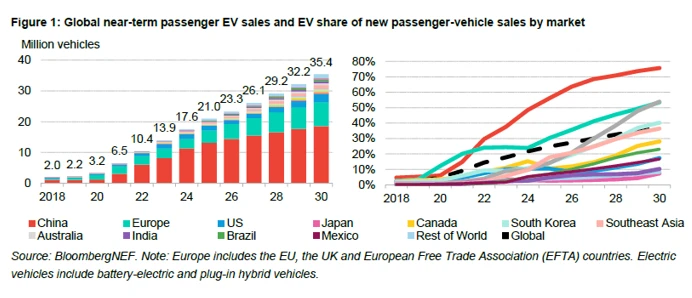
Europe is buying all the electric vehicles they can get right now. I heard a joke on a podcast last week about Trump and Netanyahu as the most valuable EV Sales team for Chinese carmakers.
That’s because, according to BloombergNEF, global EV sales are on pace to hit 23.3 million sold in 2026. That’s 27% of all new cars sold.
Wrap Up
Investors have an opportunity here: it’s the KraneShares Electric Vehicles ETF (NYSE: KARS). As you can see from the chart below, it now trades at its lowest price since 2025. If the EV market continues to climb (and that looks likely), this is a great opportunity.
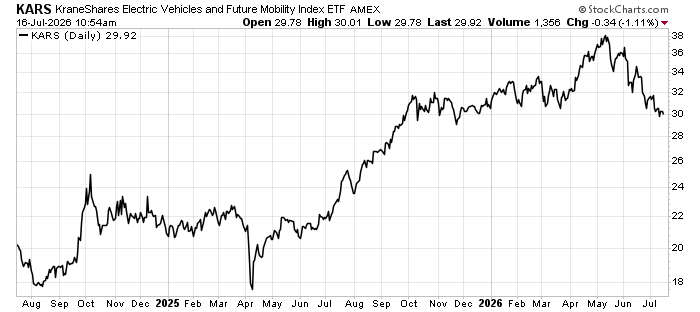
This sector looks oversold. And with high fuel prices looking to stay higher for longer, this is a great way to take advantage.
The SPR Boomerang
Posted July 20, 2026
By Zach Scheidt
Silver’s Double Whammy
Posted July 17, 2026
By Sean Ring

America 250: Roll On, Big Boy… Roll On!
Posted July 16, 2026
By Byron King

The Taxpayer Cloning Machine
Posted July 15, 2026
By Sean Ring

The Vote That Never Was
Posted July 14, 2026
By Sean Ring
